

If you’ve been thinking about a new fence, you’ve probably wondered whether it matters when you schedule the work. It does, though maybe not in the way most people expect. Fences can go in during almost any month in Tennessee, but each season brings its own mix of weather, ground conditions, and scheduling demand that can make a project go smoother or take longer to get on the calendar. We’ve been building fences across Greeneville and Northeast Tennessee for over 20 years, and the timing questions we hear tend to be the same ones. Below, we break down what each season looks like for fence installation, why fall is one of the strongest times to build, how your material choice plays into timing, and how to plan so your fence is up when you actually need it.
Why Timing Matters for Fence Installation in Northeast Tennessee
Northeast Tennessee sees real seasonal swings. Winters bring cold snaps and the occasional freeze, spring tends to be wet, summers run hot and humid, and fall usually settles into a stretch of drier, milder weather. Each of those conditions affects a fence project in a different way, starting with the ground itself.
Soil conditions matter more than most homeowners realize. Much of the region has dense, clay-heavy soil, and plenty of properties have rock sitting just below the surface. After a long run of spring rain, clay can stay saturated for days, which makes setting posts slower and messier. During a hard freeze, the top layer of ground stiffens up and can slow the pace of work. Neither situation stops a fence from being built, but both can shift a schedule by a few days.
Timing also affects how soon you can get on the calendar. Demand for fencing isn’t spread evenly across the year. When the weather warms up, a lot of homeowners decide at the same time that this is the year they finally get a fence, and schedules fill faster. Planning a few weeks ahead makes a real difference during those busier stretches, whether your property is in Greeneville or Johnson City.
Finally, timing ties back to why you want the fence in the first place. A new puppy, an upcoming pool season, or a summer of backyard gatherings all come with a built-in deadline. Working backward from that date is usually the smartest way to decide when to call.
What Each Season Looks Like for Fence Installation in Tennessee
Every season has its advantages and its trade-offs. Here’s what to expect from each one.
Spring
Spring is the most popular time to install a fence, and it’s easy to see why. Yards are coming back to life, people are spending more time outside, and pets and kids need a secure space for the warmer months ahead. The trade-off is weather and demand. Spring rain can soften the ground and push installation days back, and estimates tend to book up faster. Spring storms also bring a wave of damaged fences, so if you’re dealing with a leaning section or a broken gate after a storm, our fence repair service prioritizes getting those calls scheduled quickly.
Summer
Summer brings drier ground and long daylight hours, which keeps projects moving once they’re on the calendar. The heat and humidity are hard on crews, but summer is still a practical time to build. It’s also when many homeowners realize they want more privacy for all the time they’re spending outdoors. If that sounds familiar, our guide to the best privacy fence options is a good place to start.
Fall
Fall is often the sweet spot. Temperatures ease up, rain tends to be lighter than in spring, and the ground is usually firm without being frozen. Demand also cools off compared to the spring rush, which can make scheduling easier. We cover why fall stands out in more detail in the next section.
Winter
Winter installation is possible in Tennessee, since the ground here rarely stays frozen for long stretches. Cold snaps, ice, and short days can slow a project or push it back, but for homeowners who want a fence in place before spring, winter can be a quieter time to get on the schedule.
Why Fall Is One of the Best Times to Install a Fence in Northeast Tennessee
If you have flexibility on timing, fall checks more boxes than any other season. Here’s why so many homeowners choose to build before the year winds down.
- Milder working conditions: Comfortable temperatures and fewer rain delays than spring help projects stay on schedule from start to finish.
- Firm, workable ground: After a summer of drying out, soil is typically solid and easier to work with, and the hard cold of winter hasn’t set in yet.
- Less impact on your lawn and landscaping: Grass and garden beds are winding down for the year, so work along the fence line is less noticeable, and your yard has the whole off-season to recover before spring.
- Easier scheduling: Once the spring and summer rush passes, it’s often easier to line up an on-site estimate and an installation date that works for you.
- Ready before you need it: A fence built in the fall is already standing when the first warm weekend of spring arrives, so pets and kids can head straight outside without you waiting in line for an install date.
- More time to weigh your options: Without the pressure of a looming deadline, you can compare materials carefully. Our chain link vs wood vs vinyl fence cost comparison is a helpful starting point.
These advantages hold across our entire service area, from Greeneville to the Tennessee side of Bristol. Building in the fall simply means the fence is one less thing to think about when spring shows up.
How Your Fence Material Affects the Best Time to Install

The material you choose can make timing more or less important. Some fences are flexible year-round, while others do best in milder weather.
Chain Link
Chain link is the least sensitive to season. It’s the fence we install most often, and most chain link jobs are completed in a single day, so a short window of decent weather is usually all it takes. That makes it one of the most flexible options any time of year, including the colder months.
Wood
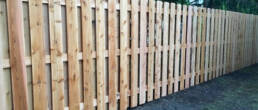
Wood can be installed in any season, but moisture plays a role. Lumber naturally shrinks and expands with humidity and temperature changes. We use 3/4 inch pre-stained pickets on our wood fence installation projects, which means the finish is applied evenly before the fence ever goes up. That takes one common timing concern off the table, since you’re not waiting for the right dry stretch to stain boards after installation.
Vinyl
Vinyl is durable and low-maintenance once it’s up, but the material becomes less flexible in very cold weather and needs more careful handling during a deep cold snap. Mild spring and fall days are ideal for vinyl fence installation, though it can still be installed in other seasons with the right care.
Aluminum and Steel
Ornamental aluminum and steel fencing handles installation well in almost any weather. Because these fences often frame pool areas and front yards, many homeowners schedule them in late winter or early spring so everything is in place before pool season starts.
Timing Farm and Rural Fencing Projects in Northeast Tennessee
Farm and agricultural fencing follows a different calendar than a backyard fence. On a working property, the best time to build usually depends less on the weather and more on what the land and livestock are doing. Many property owners prefer to take on fence work in late fall or winter, when pastures aren’t in heavy use and there’s time to plan perimeter or cross-fencing before spring grazing begins.
Larger projects also take longer than residential jobs. Where most backyard fences wrap up in a day, a full perimeter on a big property can take more time depending on total footage and terrain. That makes early planning especially important. Our farm and agricultural fencing work covers woven wire, perimeter fencing, cross-fencing, and gates sized for equipment access, and we quote every property individually after walking it with you.
Rural land brings its own timing factors too. Rocky ground, slopes, and long fence lines are common across much of the region, and wet seasons can make parts of a property harder to reach with equipment. In more rural communities like Blountville, we see a higher share of agricultural requests, and the drier, slower months tend to be a practical window for many of those jobs.
Whatever the property, the goal is the same: have the fence finished before the animals, equipment, or season that depends on it arrive.
Quick Checklist for Choosing When to Install Your Fence
If you’re trying to decide when to schedule your project, run through these points first.
- Start with your deadline: A new pet, pool season, or spring grazing all give you a date to work backward from.
- Plan around busy seasons: Spring schedules fill the fastest, so reach out a few weeks early if that’s your target.
- Consider fall first: Mild weather, firm ground, and easier scheduling make it one of the best windows of the year.
- Match the material to the season: Chain link is flexible year-round, vinyl prefers milder temperatures, and pre-stained wood removes the wait for staining weather.
- Decide on gates early: Think through gate size and placement for mowers, vehicles, or equipment. Our fence gate installation page covers what goes into sizing a gate correctly.
- Leave room for weather: Rain or cold can shift an installation date by a few days, so build a little flexibility into your plans.
Get a Free Estimate and Plan Your Fence Around the Right Season
The best time to install a fence is the one that has it finished before you need it, and for many homeowners across Northeast Tennessee, that means starting the conversation now. We’ll visit your property, walk the fence line with you, and give you a quote based on your actual yard, terrain, and gate count, not a generic per-foot rate. Most residential installs are completed in a single day once work begins, and we walk the finished fence with you again before you sign off. Whether you’re planning a fall build or getting ahead of the spring rush, Get a Free Estimate today and we’ll help you pick the timing that fits your property.
Ready to get your fence project started?
Whatever you’re planning, chain link, wood, vinyl, or something else, we’ll walk your property in person and give you a real number based on your job, not a generic per-foot rate.
Like this article? Spread the word!
Related Posts

Why Metal Fence Posts Matter More Than the Fence Itself
Metal fence posts hold up more than you'd think. Learn steel vs. aluminum differences and…

Is Steel or Aluminum Fencing Better for Security?
Steel or aluminum for security fencing? Compare strength, maintenance, and cost, then get…
Vinyl Fence Care & Lifespan FAQ
How long vinyl fencing really lasts, and the simple cleaning routine that keeps it…